
+256 256325562

info@qubescape.com
+256 256325562
info@qubescape.com

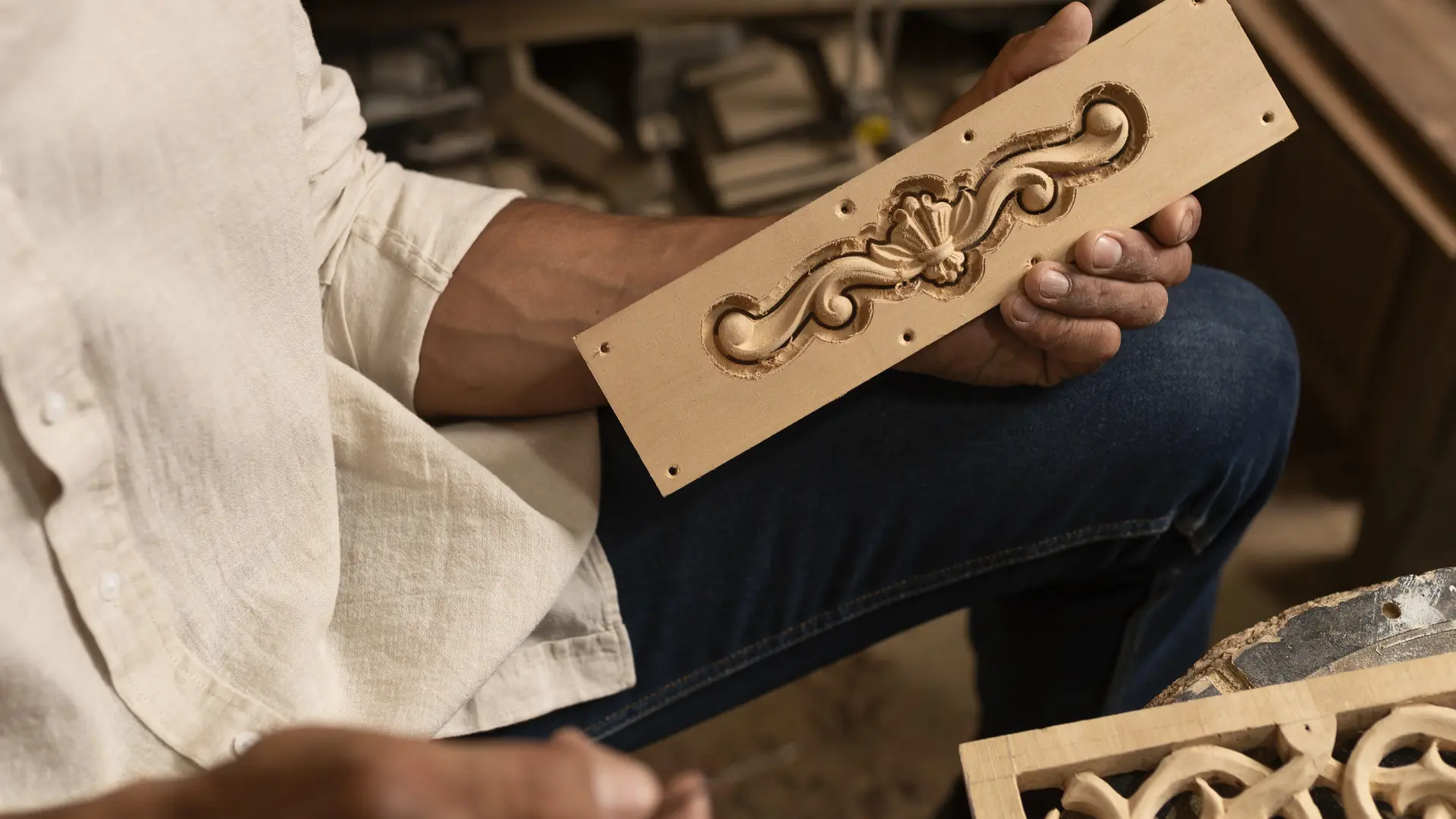
Walking into a workshop full of carved wooden figures, masks and furniture, you can almost feel the steady rhythm of chisels—wood chips falling, hands shaping a story. That’s the world of wood carving, and in East Africa, it holds deep roots. On Ethiopia.UdaipurVisit.com, although the focus is Ethiopia, by exploring the craft traditions of the nearby Makonde carvers we gain insight into what wood carving means in the region and how modern makers are interpreting those traditions.
In this blog post, we explore where wood carving started, how the Makonde became known for it, what the techniques and meanings are, how modern interpretations are emerging, and how readers, travelers and craft-lovers can support this art authentically.
1. The Roots: What Wood Carving Traditions Are
Wood carving in many African societies began not to make souvenirs, but to express culture, spiritual belief and everyday life. A carver would choose a tree, work with axe, chisel and knife, shaping figures, masks or stools—objects that carried meaning about identity, history and belief.
In the Makonde tradition (Tanzania and Mozambique), wood carving became especially notable. They use a wood called mpingo (African blackwood), very hard and dark. It shows that wood carving is not just craft—it is culture.
2. A Closer Look at the Makonde Carving Tradition
Materials & Tools
Styles & Motifs
Meaning
Each carving tells a story. Ujamaa speaks of unity; Shetani pieces connect to spirits; Binadamu shows daily life. All reflect the lives and beliefs of the people.
Evolution and Commercial Side
In the mid-20th century, Makonde carving moved from local ritual use to being sold to tourists, exporters and art collectors—mixing old tradition with new markets.
3. Modern Interpretations: Where Craft Meets Contemporary Design
This shows the tradition is evolving—not disappearing.
4. What We Can Learn for Ethiopia & Travel
Appreciate the Craft
Buy Thoughtfully
Travel Tips
5. Why This Matters for the Website & Readers
6. A Simple Breakdown: How a Carving Gets Made
Carving wood is patient, time-consuming work—sometimes weeks or months for one piece. That makes each carving special and meaningful.
Modern interpretations show the tradition is alive; younger carvers add new ideas while keeping ties to the past.
If you travel to Ethiopia or East Africa, seek craft workshops, ask questions and appreciate the work behind each carved piece. You return not only with an object but with a story.
Posts like this enrich Ethiopia.UdaipurVisit.com by connecting travel with culture and craft. They help visitors understand the depth behind each handmade piece.
So next time you see a carved wooden figure, ask: who carved it, what wood, what story? You may discover a connection to the deep craft roots of East Africa—connections across cultures and time, making your journey more meaningful.