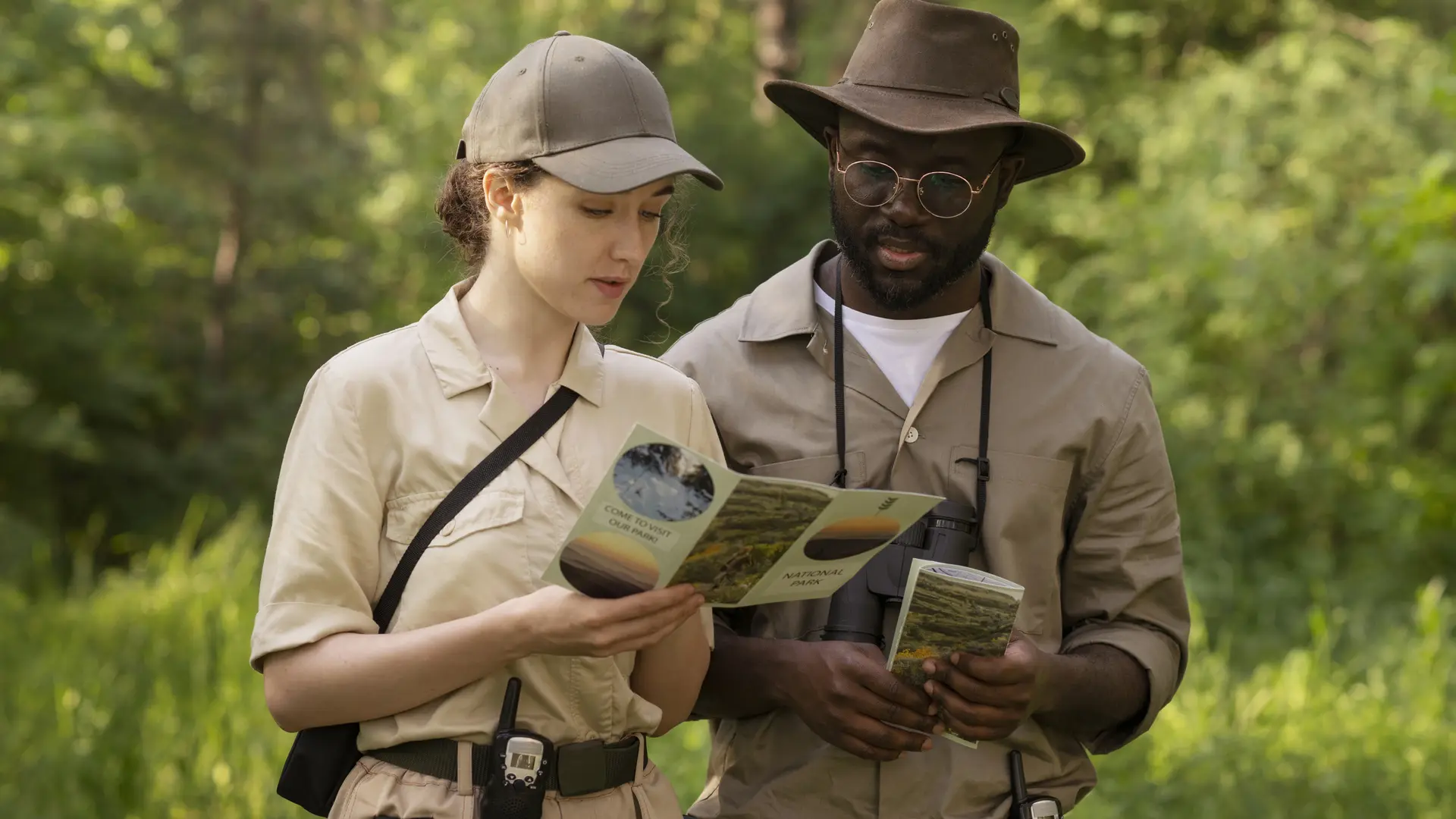
Ethiopia is often known for its wild safaris and grand landscapes, but there’s a rich and growing world of tourism beyond that. Think: traditional villages, historic monasteries, eco‑lodge stays, cultural experiences, nature walks. For anyone looking to invest in tourism in Ethiopia, these segments offer great potential. On Ethiopia.UdaipurVisit.com, we’ll explore why this direction matters, what kinds of investment opportunities exist, and how to approach them in a way that supports local people, culture and nature.
Why look at Cultural & Eco‑Tourism in Ethiopia?
There are several reasons why cultural and eco‑tourism make sense in Ethiopia now:
- Untapped potential
Ethiopia is home to nine UNESCO heritage sites and many historic, cultural and nature‑rich destinations. Many tourists still focus only on the big safari parks or the high mountains. Other experiences—like community tourism, village stays, cultural tours—are less crowded and growing in demand.
- Growing visitor interest
Travelers around the world are more interested in meaningful, authentic tourism—visits that connect them to culture, nature, local people. Projects described as “community tourism” in Ethiopia are trying to meet this.
- Government support and policies
The Ethiopian government explicitly promotes investment in tourism infrastructure: hotels, resorts, cultural centres, destinations. Also, national projects like “Dine for Ethiopia” target eco‑tourism, rural corridor development, destination growth.
- Diversification of tourism
Safaris remain important, but relying only on that means missing other markets. Eco‑tourism (nature walks, bird watching, village stays) and cultural tourism (heritage tours, festivals, artisan visits) allow for more options, longer stays, local benefit.
Because of these reasons, cultural & eco‑tourism investment is both timely and smart.
What kinds of investment opportunities are there?
When we say “investing in cultural and eco‑tourism”, what are the actual types of projects? Here are several strong categories:
- Eco‑Lodges and Resorts in Natural Areas
- Hydrangea resorts near lakes, forest lodges near mountain ranges, nature camps near rivers. For instance, the existing government invite for investment in Gorgora eco‑lodge in Amhara region is an example.
- These projects often combine accommodation + nature activity (treks, bird watching, village walks) + local food and community involvement.
- Choosing less‑visited natural areas means less competition, potentially lower costs, more authenticity.
- Cultural Village Tourism & Community‑Based Tourism
- Community tourism means staying in or visiting villages, engaging with local culture (craft, food, traditions) rather than being a passive tourist. The “Community Tourism Ethiopia” programme is working on it.
- Investors could support infrastructure (simple lodges, visitor centres), training local guides, craft marketplaces, local food experiences.
- Heritage Destination Development
- Historic towns, churches, ancient routes, lesser‑known sites: there is an opportunity to develop tourist‑friendly services (accommodation, guide services, interpretation centres) in places beyond the “classic”.
- These investments can boost local towns, spread tourism benefit beyond major hubs.
- Eco‑Tourism Infrastructure & Rural Corridor Development
- The “rural corridor development” in Ethiopia is opening up landscapes, improving roads, linking remote areas to tourism flows.
- Investors could look at transport, small lodges, eco‑camping, nature experiences in those regions.
- Service‑and‑Experience Enhancements
- Tours, guide training, local workshop craft tours, culinary tourism, coffee origin tours. For example, “coffee & culinary tourism” is mentioned as under‑developed but high‑potential.
- Investment here might be less land‑intensive but focused on experiences and operations.
Key Considerations Before You Invest
Of course, any investment carries risks and requires careful thought. Here are important things to check and plan for:
- Location & Access
Is the site accessible (road, air, infrastructure)? Remote is charming but must still be reachable.
Is there basic infrastructure (electricity, water, internet, waste disposal)? Eco‑tourism has to balance nature preservation + visitor comfort.
Are the roads and accessibility reliable year‑round? Some regions have seasonal challenges.
- Sustainability & Local Benefit
Ensure the project benefits local communities: jobs, income, local supply chains. Community tourism aims for this.
Nature and culture must be protected. Eco‑tourism means low impact; cultural tourism means respectful and authentic.
Consider how your operation works with local culture, equipment, environment.
- Market and Demand
What type of tourists are you targeting? “Experience seekers”, “eco‑travelers”, “cultural tourists”.
What is the competition? If you pick a lesser‑known destination you may have first‑mover advantage.
What accommodation level will you offer? Eco‑lodge, boutique, mid‑range: each has different cost and market.
- Business Model & Financing
What is the capital cost (land, building, lodge, transport)?
What is the likely occupancy rate, average spending per visitor, seasonality?
How will you manage operations (staffing, maintenance, marketing)?
How will you measure impact (community benefit, nature conservation)?
- Risk & Regulation
Are there clear investment policies, land rights, permits? Ethiopia offers guidance through the Ethiopian Investment Commission.
Are there environmental permits or cultural heritage permissions needed?
How vulnerable is the location to security, political changes, weather/climate risk?
What about health, sanitation, visitor safety?
How to Get Started & Practical Steps
- Research destinations: Visit potential sites, evaluate access, existing infrastructure, natural/cultural assets.
- Meet local stakeholders: Community leaders, regional tourism offices, local guides, potential suppliers. Local buy‑in is essential.
- Define your concept: Choose your niche—eco‑lodge, village tourism, heritage tours, coffee/culinary experience.
- Build a business plan: Costing, revenue projection, market analysis, staffing plan, sustainability plan (nature, culture).
- Secure land and permissions: Work with the Ethiopian Investment Commission or regional offices to identify site, land lease or purchase, permissions.
- Develop infrastructure: Build or convert accommodation, visitor facilities, transport links, interpretive materials. Consider eco‑friendly design (solar, water recycling, minimal disruption).
- Train local staff: Local guides, guest services, craft producers, village hosts.
- Marketing & launch: Position your project as responsible and authentic—eco‑tourism, culture, off‑beat destination. Partner with travel agents, online platforms, diaspora networks.
- Monitor & adapt: Track visitor numbers, community benefits, environmental impact. Be ready to adapt service, seasonality, offerings.
Why This Topic Matters for the Website
- Attracts a business‑savvy and travel‑savvy audience—people looking for more than just “go on holiday”.
- Uses keywords like “tourism investment Ethiopia”, “eco‑tourism Ethiopia”, “cultural tourism Ethiopia” which help SEO.
- Demonstrates depth: many websites talk about safaris; this adds a fresh angle and authority.
- Connects travel, investment, culture and local development—so the content appeals to travellers, investors, diaspora.
- Encourages longer‑form, informative and humanised writing (which helps reader engagement and SEO).
Investing in cultural and eco‑tourism projects in Ethiopia is more than a business opportunity—it’s a chance to make a positive impact. It’s about building lodges that respect nature, creating experiences that honour culture, supporting local communities, opening new destinations, and telling stories.
If you think beyond the safari, if you imagine travellers staying longer, exploring villages, hiking lesser‑known trails, enjoying heritage architecture, participating in craft workshops—you’ll see the potential. If you invest the time, do your homework, partner locally, and build for sustainability—not just for profit—you could help shape the next phase of tourism in Ethiopia.
And for you reading this on Ethiopia.UdaipurVisit.com, consider that your interest matters. Whether you’re a traveller, investor, community member or craft‑lover, the next time you travel to Ethiopia think about the cultural lodge you stayed at, the village you visited, the guide you met. These are the places beyond safaris—these are the stories worth telling.
If you are ready to explore this opportunity, take the first step. Visit a site, talk to locals, map out your vision. Ethiopia offers more than wildlife—it offers heritage, landscapes, communities—and with smart investment, this tourism beyond safaris can thrive for everybody.