Ethiopia is a country rich in history, culture, and traditions. From its ancient languages and rituals to distinctive clothing and social practices, Ethiopian culture has thrived for centuries. But like many countries, Ethiopia is experiencing rapid modernisation. Urbanisation, technology, and global influences are shaping the way young Ethiopians live, dress, communicate, and celebrate.
This article explores how modernisation is influencing traditional customs, clothing, rituals, and language in Ethiopia and how the younger generation is finding a balance between tradition and modern life.
1. The Significance of Tradition in Ethiopia
- Clothing reflects ethnic groups, social status, and ceremonial importance
- Rituals and ceremonies mark birth, marriage, death, harvests, and religious events
- Languages like Amharic, Tigrinya, Oromo, and others carry historical and cultural meaning
- Cuisine, music, and crafts are interwoven with everyday life
Traditions are not just customs; they are a way of life that connects generations and communities.
2. How Modernisation Is Changing Clothing
- Men: Gabi, kuta, and tunics for daily wear; ceremonial robes for special events
- Women: Habesha kemis adorned with embroidery and jewelry
- Accessories: Beads, scarves, and jewelry carry cultural significance
Modern Influences:
- Young people in cities increasingly wear Western-style clothing for work and social events
- Traditional fabrics and patterns are now blended with modern designs
- Designers reinterpret Habesha kemis for fashion shows and casual wear
This blending allows the youth to express individuality while honoring tradition.
3. Rituals and Ceremonies: Preserving or Adapting?
- Birth ceremonies such as naming rituals
- Religious holidays like Timkat and Meskel
- Marriage ceremonies involving families and symbolic rituals
- Funeral rites reflecting respect and continuity
Modern Adaptations:
- Some rituals are simplified for urban lifestyles
- Digital communication allows remote participation
- Modern tools like cameras and social media preserve memories
Even as rituals evolve, they retain their cultural core, bridging past and present.
4. Language and Communication
Ethiopia has over 80 languages, reflecting ethnic diversity.
Traditional Role:
- Oral storytelling passes history, morals, and social norms
- Community gatherings preserve culture through local languages
Modern Influences:
- Urban youth mix English or Amharic with local dialects
- Digital media shapes new slang and communication styles
- Younger generations preserve languages through online content
Language evolves, but it remains a critical link to identity and heritage.
5. Festivals and Cultural Celebrations
- Timkat: Colorful Epiphany celebrations
- Meskel: Bonfire festival commemorating the True Cross
- Harvest festivals with music, dance, and food
Modern Touches:
- Youth blend modern music and fashion into festivals
- Festivals shared on social media attract tourists and diaspora
- Events mix authentic traditions with contemporary entertainment
This shows that culture can adapt without losing its essence.
6. Food Traditions Amid Modern Life
- Staples: Injera, wat, tibs, kitfo, and grain dishes
- Communal eating, coffee ceremonies, and festival meals
Modern Trends:
- Urban families mix traditional meals with fast foods
- Chefs experiment with fusion cuisine
- Coffee ceremonies appear in cafes and tourist areas
Traditional food rituals remain a vital part of cultural expression.
7. Music and Art
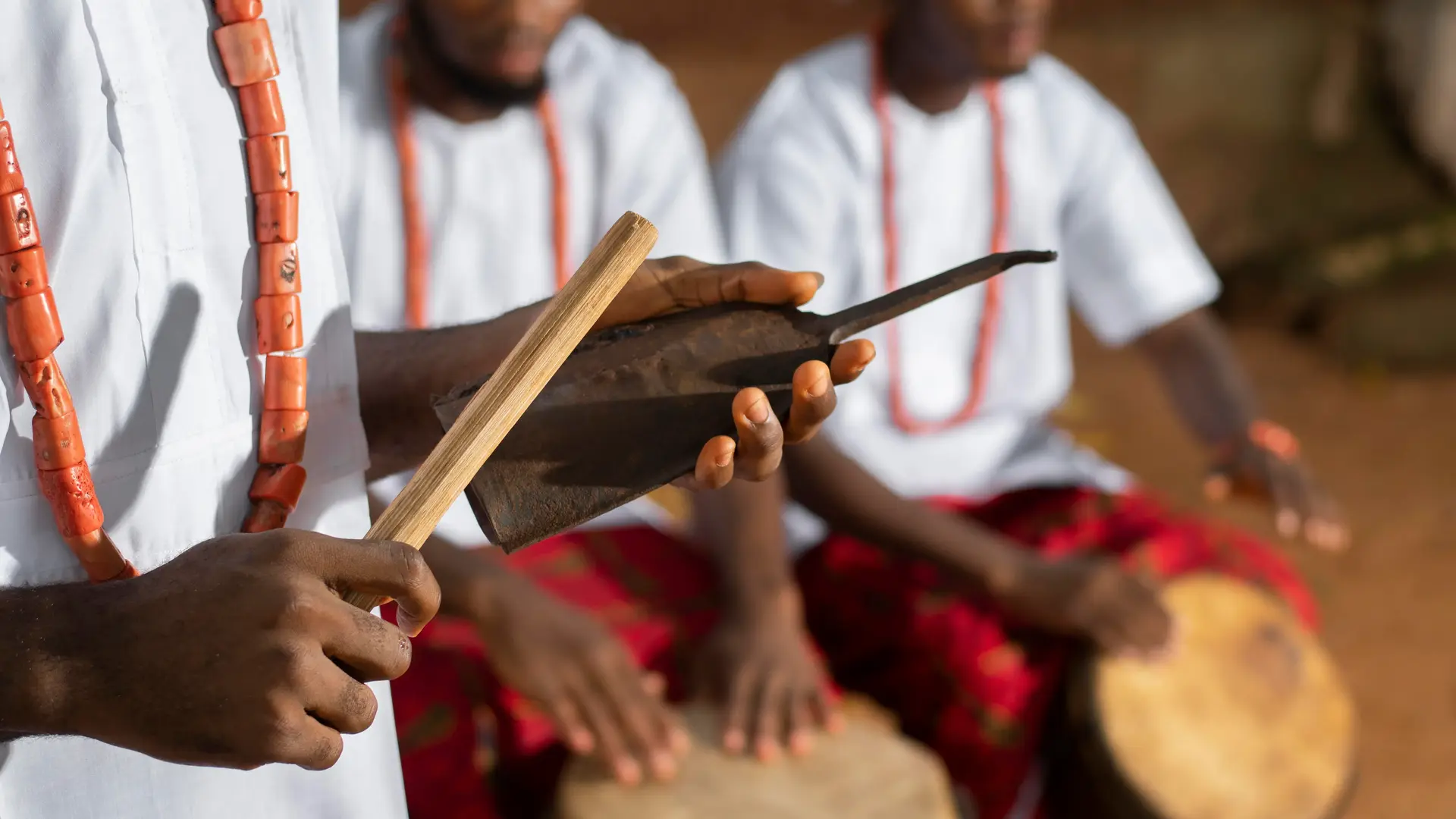
- Traditional instruments: Krar, masenqo, and drums
- Traditional songs and dances accompany ceremonies
Modern Influence:
- Artists mix traditional rhythms with hip-hop and jazz
- Painters blend ancestral techniques with modern design
- Digital platforms promote Ethiopian art globally
This fusion preserves heritage while embracing creativity.
8. Urban vs Rural Dynamics
- Urban areas adopt Western styles and technology faster
- Rural villages maintain stronger traditions
The balance:
- Urban youth stay connected to roots through festivals and crafts
- Rural communities benefit from modern education and communication
Modernisation reshapes tradition in meaningful ways.
9. The Role of Education and Technology
- Schools teach modern subjects and Ethiopian history
- Social media connects youth to global trends
- Online platforms preserve traditional knowledge
Technology helps youth embrace modern life without abandoning heritage.
10. Challenges in Balancing Tradition and Modernity
- Loss of traditional skills
- Cultural homogenization
- Generational gaps
Solutions:
- Support local artisans, musicians, and storytellers
- Blend traditional practices into modern contexts
- Encourage youth to value cultural roots
11. Success Stories
- Fashion designers blending Habesha kemis with modern styles
- Urban youth performing traditional music creatively
- Filmmakers documenting rural life and oral histories
- Social media promoting indigenous languages and crafts
These examples show modernisation and tradition can coexist.
12. Why Balancing Tradition and Modern Life Matters
- Preserves cultural identity
- Ensures intergenerational continuity
- Promotes tourism and cultural industries
- Empowers youth to take pride in heritage
13. Tips for Visitors Interested in Ethiopian Culture
- Engage with locals at festivals and events
- Respect traditional dress and rituals
- Try local food and learn its cultural significance
- Support local artisans
- Learn basic phrases in local languages
- Participate respectfully in cultural practices
Modernisation is transforming Ethiopia, but traditions remain strong and adaptable. Clothing, rituals, language, music, and food are evolving through youth creativity, global influence, and respect for heritage. Ethiopia offers a cultural journey where ancient customs coexist with modern identity, ensuring resilience for generations to come.