
+256 256325562

info@qubescape.com
+256 256325562
info@qubescape.com
Ethiopia is a country rich in culture. Its traditions are deep‑rooted, and its people have long used traditional healing methods alongside, or even instead of, modern medicine. As you stroll through villages, visit churches, or simply talk with a local elder, you’ll often hear stories of herbal cures, holy water, bone‑setters and more. These stories matter—they show how medicine and culture come together in Ethiopia. In this post on Ethiopia.UdaipurVisit.com, we’ll explore: what traditional healing looks like in Ethiopia, why it remains so important, how it works, and what challenges and opportunities lie ahead.
1. What Traditional Healing Means in Ethiopia
When we talk about “traditional healing” in Ethiopia, we’re referring to practices that have been part of community life for many generations. These include:
So rather than modern hospital, you have someone in your village you trust, who uses what nature offers, uses prayers, uses knowledge passed down. That’s the heart of traditional healing in Ethiopia.
2. Why Traditional Healing Still Matters
You might wonder: in a modern world, why do people still rely on these methods? Here are some reasons:
Accessibility
Many people live in remote areas where modern hospitals and clinics are far away or expensive. Traditional healers are nearby, trusted and often cheaper. For example, one study found that up to 80% of people in Ethiopia rely on traditional medicine either alone or together with modern care.
Trust and culture
Traditional healers are known members of the community; they share language, culture, beliefs. That builds trust. When you go to them, you feel understood—not just your body problem, but your social or spiritual one. One source says:
“The social acceptance of traditional medicine in Ethiopia goes beyond its cultural roots… healed people feel like their illness is uniquely understood.”
Holistic view of health
In traditional healing, health is more than just body organs. It’s mind, spirit, community. For example, if someone is depressed, illness may be seen as spiritual or social. Traditional healing addresses those too.
Preserving knowledge and heritage
Over centuries, healers have built huge amounts of plant knowledge. For example: Ethiopia’s terrain is diverse—highlands to lowlands—so medicinal plants are many.
3. How Traditional Healing Works: Examples
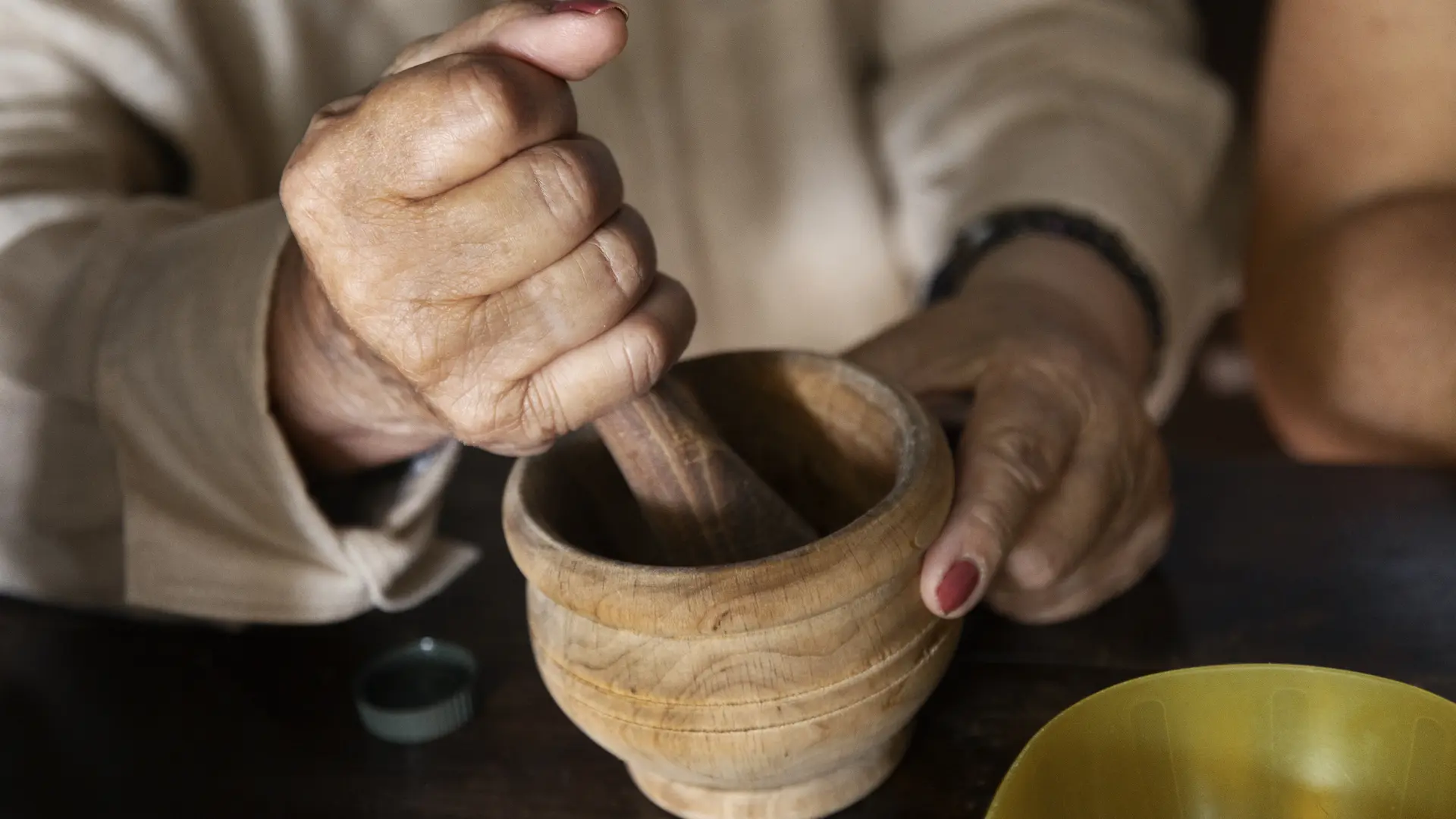
Herbal medicine
In Ethiopia, many healers are herbalists. They collect leaves, roots, bark, use them to prepare medicines (teas, powders, ointments). For example, one article says:
“The knowledge is passed down from elders, families; plants are prepared in various forms—topical, oral.”
And more recently:
“Herbal medicine remains strong… Many Ethiopian families have a basic understanding of medicinal herbs.”
So if someone has a stomach ache, they might go to a herbalist who uses a plant they know, and try that first before going to hospital.
Spiritual / ritual healing
In the Ethiopian Orthodox Tewahedo Church, holy water (known as tsebel) is used for healing. People go to certain churches or monasteries, get blessings, drink or bathe in holy water believing it heals physical and spiritual illness.
Another example: healing scrolls. These are ancient manuscripts used by traditional religious healers (Däbtäras) to help with illnesses believed to be caused by evil spirits.
Manual techniques: bone‑setters, midwives, etc.
In a region called South Wollo, a study looked at traditional bone setters. They were trusted, had their own methods, and were key because modern orthopaedic care was distant. Similarly, birth attendants in rural areas may use herbs, massage, knowledge passed down.
4. The Role of Culture and Belief
Traditional healing is more than medicine—it is culture. When you go to a healer, you may also engage in songs, prayers, rituals. This has meaning. In Ethiopia many families believe a healer’s skill is given by God, and that knowledge is handed from the elders. Also, spiritual beliefs shape how people think of illness. For example, if someone is ill not just physically but has bad luck, or spirits involved, the healing must include ritual.
When you visit Ethiopia, seeing this side matters. It’s not just “old medicine”, it’s living culture. In a village you might see people gathering around a healer, hearing stories of how the herb cured someone—or how they went to holy water and felt healed. That’s part of the Ethiopian experience.
5. Challenges: What Puts Traditional Healing at Risk?
6. What’s Being Done: Toward a Balanced Future
So the aim is: keep the cultural richness, but also make sure it works well, safely, and helps people today.
7. What You Can Learn & Take with You
8. Why It Matters for Ethiopia.UdaipurVisit.com
In Ethiopia, traditional healing is alive. It’s not just the past—it’s part of daily life in many places. It blends plants and prayers, bones and beliefs, village life and faith. For many people, it is the first place they go when sickness comes; for many travellers, it’s a glimpse of a different kind of health system—one rooted in culture, community and nature.
As you plan your trip, consider spending time exploring this dimension. Ask questions, listen to stories, walk through an herb garden, maybe meet a healer if the opportunity is open. You’ll return not just with photos of landscapes or monuments—but with a deeper understanding of how Ethiopians see health, life and healing.
Because in Ethiopia, medicine is not just about pills—it’s about the land, the spirit, the generations who have walked before us. And that story is worth listening to.