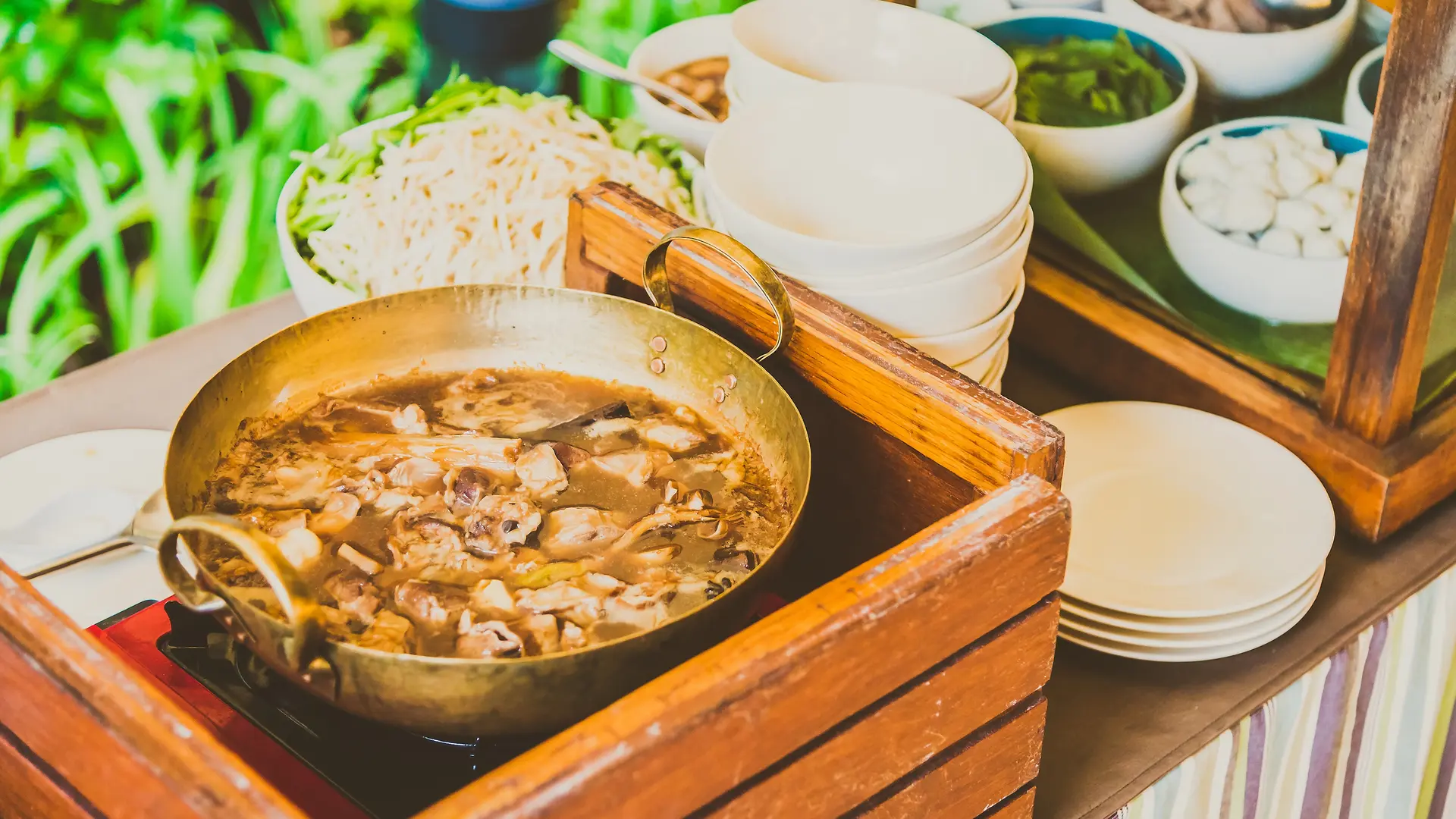
Ethiopia is a land of diverse cultures, languages, and landscapes, and its culinary heritage reflects this diversity. Beyond the popular dishes found in cities, remote ethnic communities preserve traditional recipes, cooking techniques, and food customs that have been passed down for generations. These meals are more than just food—they are a reflection of history, identity, and community life.
This article explores the culinary traditions of Ethiopia’s remote villages and minority groups, highlighting their food customs, recipes, and ways visitors can experience them authentically.
- The Diversity of Ethiopian Cuisine
Ethiopia is home to over 80 ethnic groups, each with its own food traditions. The culinary landscape varies by:
- Region: Highlands, lowlands, and deserts
- Climate: Determines available crops and livestock
- Cultural practices: Religious beliefs, ceremonies, and social customs
For example:
- Oromo communities focus on grains, milk, and honey
- Tigrayan villages use barley, legumes, and fermented products
- Afar and Somali communities rely on pastoral foods such as milk, meat, and ghee
This diversity makes Ethiopian cuisine rich, varied, and deeply tied to identity.
- Staple Ingredients in Remote Communities
- Grains: Teff, barley, maize, sorghum
- Legumes: Lentils, chickpeas, broad beans
- Vegetables: Kale, cabbage, onions, and root vegetables
- Dairy: Milk, yogurt, and cheese from cows, goats, and camels
- Spices and herbs: Berbere (chili spice), mitmita, turmeric, garlic, and fresh herbs
These ingredients form the foundation of meals and connect communities to their land and environment.
- Iconic Traditional Dishes
- Injera and Wat
- Injera: Fermented flatbread made from teff or barley
- Wat: Spicy stew with meat, lentils, or vegetables
- In remote communities, fermentation and preparation are often more traditional and slow, giving a distinct flavor
- Genfo
- Thick porridge made from barley or wheat flour
- Often served with spiced butter and chili
- Eaten for breakfast or special occasions
- Kitfo and Gored Gored
- Raw or lightly cooked minced meat
- Served with spices, butter, and traditional bread
- Rituals around preparation and serving are important in certain communities
- Tibs
- Sautéed meat or vegetables with onions, garlic, and spices
- In villages, cooked over open-fire stoves, giving a smoky flavor
- Fermented Foods
- Some communities make fermented milk or cereal-based beverages
- Provides nutrition and long-term food storage options
- Traditional Beverages and Their Cultural Significance
- Coffee (Bunna): Central to Ethiopian culture, especially in highland villages
- Tej (Honey Wine): Served during festivals, weddings, and social gatherings
- Tela: Traditional beer made from barley or sorghum
- Milk and Buttermilk: Common among pastoral communities; consumed fresh or fermented
These beverages are often shared communally, reinforcing social bonds and hospitality.
- Food and Festivals
- Timkat (Epiphany): Large feasts with meat, bread, and coffee ceremonies
- Meskel: Traditional meals shared among families and neighbors
- Harvest festivals: Highlight local grains, vegetables, and dairy products
Visiting villages during festivals allows travelers to experience food in its cultural context, seeing how meals unite communities.
- Cooking Techniques in Remote Villages
- Open-fire cooking: Imparts smoky flavors
- Clay ovens and stone stoves: For baking bread and slow-cooking stews
- Fermentation: Used for bread, cereals, and beverages
- Sun-drying: Preserves fruits, vegetables, and meat for off-season use
These techniques are both practical and sustainable, reflecting the relationship between food, environment, and tradition.
- Preserving Food Heritage
- Oral transmission: Recipes are taught from elders to youth
- Community rituals: Certain foods are prepared only for specific ceremonies
- Locally sourced ingredients: Maintaining traditional flavors and nutritional balance
Challenges include urban migration and modern convenience foods, which can threaten traditional practices.
- How Modernisation Influences Culinary Practices
- Access to modern tools: Stoves, refrigerators, and utensils simplify cooking
- Introduction of new ingredients: Imported spices, grains, and oils
- Changing lifestyles: Urbanization may reduce time spent preparing traditional meals
Despite these changes, many communities retain core recipes while incorporating modern conveniences, ensuring cultural continuity.
- Culinary Tourism Opportunities
- Cooking workshops: Learn to make injera, wat, or tej
- Food markets: Explore local grains, spices, and dairy products
- Homestays: Participate in daily meal preparation and communal dining
Culinary tourism benefits both visitors and communities:
- Preserves traditional knowledge
- Creates economic opportunities
- Encourages cultural exchange and understanding
- Ethical Ways to Experience Local Cuisine
- Learning directly from local cooks
- Purchasing ingredients or dishes from village markets
- Participating in meals respectfully, following local customs
- Avoiding exploitation of recipes or crafts for profit without consent
This ensures culinary heritage remains protected and valued.
- Signature Foods by Region
- Highlands (Amhara, Tigray)
- Injera with spicy meat stews
- Genfo and fermented cereals
- Butter-based dishes during holidays
- Southern Nations
- Kocho (ensete-based bread)
- Stews with local greens and legumes
- Traditional coffee ceremonies with locally roasted beans
- Pastoral Regions (Oromo, Afar)
- Milk, butter, and fermented milk beverages
- Meat dishes prepared during festivals
- Honey-based drinks and traditional fermentation methods
- Preserving Culinary Identity in Modern Times
- Documentation: Writing down recipes and cooking techniques
- Community initiatives: Workshops, festivals, and fairs celebrating traditional food
- Tourism integration: Ethical culinary tourism promotes awareness and income
- Youth engagement: Teaching younger generations ensures continuation
By combining preservation with modern access, Ethiopia’s culinary heritage remains alive and vibrant.
- Tips for Travelers Seeking Authentic Food Experiences
- Visit village markets to see local ingredients firsthand
- Join a homestay or cooking workshop
- Attend festivals where traditional meals are central
- Respect dietary customs and communal eating etiquette
- Document and share experiences responsibly to help preserve traditions
These steps allow travelers to connect deeply with Ethiopian food culture.
Ethiopia’s remote ethnic communities preserve a rich culinary heritage that tells stories of history, environment, and identity. From fermented breads and stews to honey wines and ceremonial coffee, food is central to community life and cultural expression.
Despite modernisation, these communities continue to maintain, adapt, and celebrate their culinary traditions, offering travelers a chance to experience the real Ethiopia. By participating respectfully, supporting local artisans and cooks, and learning about traditional practices, visitors can help preserve this unique culinary heritage for generations to come.
Ethiopia’s food is not just nourishment—it is history, culture, and community served on a plate.