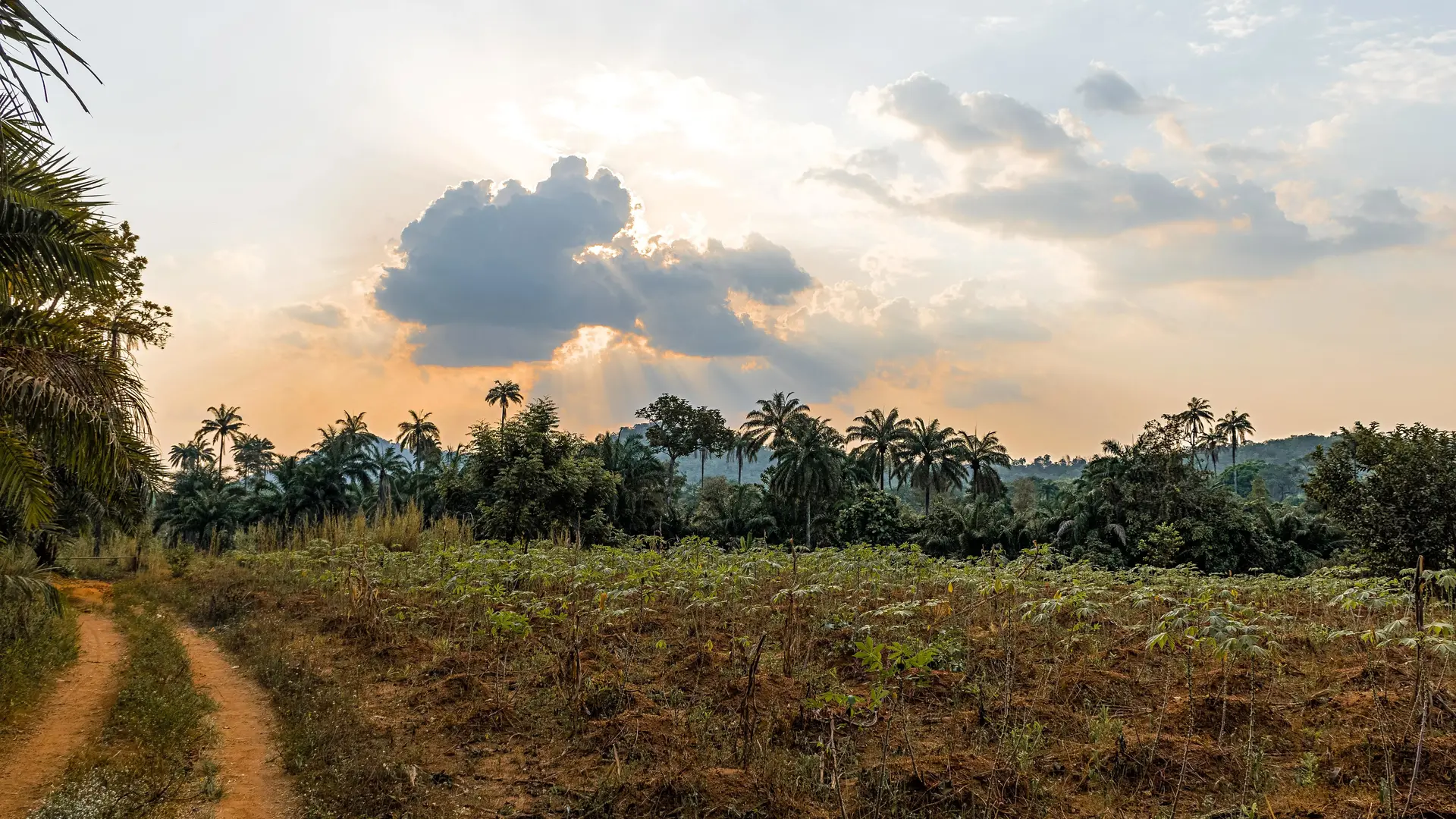
Ethiopia is a land of stunning landscapes—towering mountains, wide highlands, dry lowlands, lakes and rivers. But beneath the beauty, something is happening: the climate is changing. And as it does, it’s touching the land, the water, the forests and the wildlife. On Ethiopia.UdaipurVisit.com, I want to share with you how climate change affects Ethiopia’s ecosystems, what that means for people and nature, and how we can act together to protect what matters.
What do we mean by “ecosystems” in Ethiopia?
When we talk about ecosystems, we mean the different natural habitats where plants, animals and human life interact. In Ethiopia, these include:
- Mountain ecosystems (e.g., the high-altitude zones of the Bale Mountains).
- Forest and woodland ecosystems (lowland forests, highland woodlands).
- Aquatic and wetland ecosystems (lakes, rivers, marshes).
- Rangeland and savanna ecosystems (grasslands and grazing lands).
- Agro-ecosystems (farmland, cultivated land).
Each of these systems supports many plants, animals, birds—as well as the people who live in and around them. The problem is: climate change is putting pressure on all of them.
How is the climate changing in Ethiopia?
- Rain and snowfall are becoming less reliable.
- Temperatures are rising.
- More extreme weather events such as droughts, floods and heavy downpours.
So the climate is not the same as it used to be—and ecosystems that were used to certain patterns are being challenged.
How Is Climate Change Affecting Ethiopia’s Nature?
-
Mountain Ecosystems under stress
Highland zones like the Bale Mountains have rare plants and animals that only live in cool, moist conditions. With rising temperatures and changing rain, these habitats are shrinking. As these areas change, animals like the Ethiopian wolf have fewer safe places to live.
-
Forests and woodlands losing ground
Ethiopia’s forests help regulate water, preserve soil, store carbon and support wildlife. But with warming, less rain, and more human pressure, forests are degrading. Loss of forests means fewer homes for wildlife, less clean water and more erosion.
-
Wetlands, lakes and river systems are changing
Wetlands and freshwater systems are very sensitive to climate shifts. When water levels drop or flooding increases, fish, birds and plant habitats change or disappear.
-
Rangelands and grazing lands suffer
Climate change makes rangelands drier and less reliable. When grasslands shrink, livestock and pastoral communities face difficulty.
-
Wildlife and species in trouble
Changing habitats force animals to move, adapt or die out. Many unique species in Ethiopia face shrinking safe zones.
-
People, communities and nature all linked
When ecosystems suffer, people do too—through reduced water, food, livelihoods and health.
Real-life Examples You Can Picture
- In Addis Ababa’s region, drought is becoming more frequent.
- Forests face higher risks of pests and fires because of heat and drought.
- Wetlands shrink due to less rain and more evaporation.
Why This Should Matter to YOU as a Traveller or Nature Lover
- The beauty you come to see—mountains, forests, wetlands—is under threat.
- Wildlife experiences may change as animals move or habitats shrink.
- Local communities depend on these ecosystems.
- Sustainable travel helps protect nature and culture.
- Sharing informed travel stories spreads awareness.
What Ethiopia is Doing and What We Can Do
What Ethiopia is doing
- National assessments show ecosystem decline is being monitored.
- Large-scale tree-planting efforts like the “Green Legacy”.
- Community-level climate adaptation strategies.
What we can do as visitors / readers
- Choose tours and lodges that respect nature.
- Travel lightly and avoid disturbing wildlife.
- Support conservation by visiting protected areas.
- Share responsible travel stories.
- Learn from local guides and communities.
- Encourage sustainable tourism.
A Simple “What You Can Look For” When Visiting Ethiopia
- Thinner vegetation or fewer species in mountain areas.
- Shrinking forest edges or unhealthy trees.
- Changing water levels in wetlands and lakes.
- Signs of erosion or bare rangelands.
- Stories from local people about seasonal changes.
Ethiopia is a natural treasure, but climate change is a real and growing challenge. The good news is: we can make a difference with awareness and respectful travel. When we value ecosystems—mountains, forests, wetlands, rangelands—we value people, culture and our future.
If you plan to travel to Ethiopia, or if you just love nature, remember: every step you take and every story you share can help. Choose destinations and guides that respect the land.
Let’s go to Ethiopia’s wild heart—but let’s also protect it. Let’s walk through its landscapes, listen to its forests, watch its birds and talk with its people—knowing we are visitors and custodians.