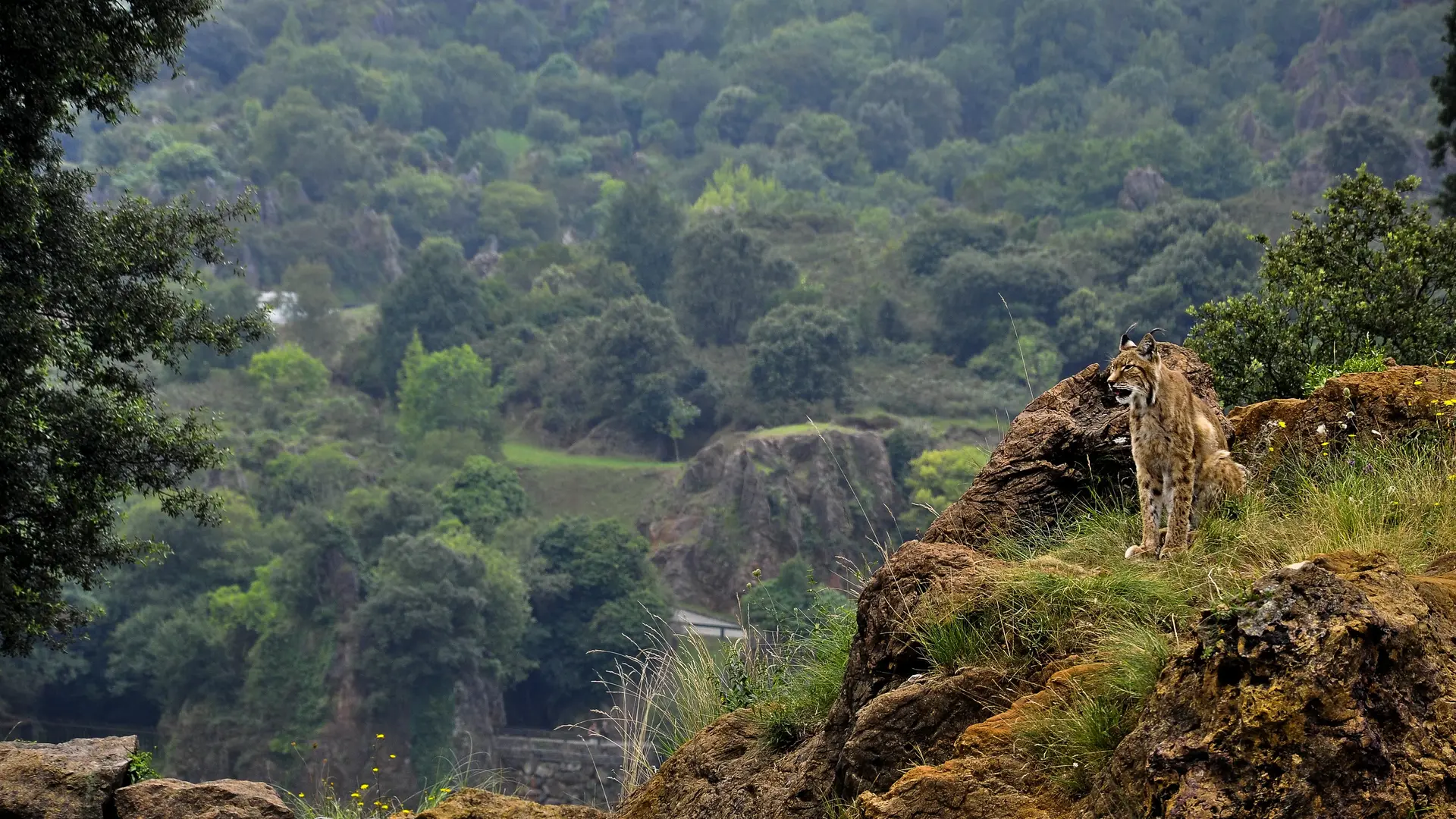
Ethiopia is a country of extraordinary biodiversity, from highland forests and wetlands to savannas and desert ecosystems. Its wildlife includes iconic species like Ethiopian wolves, baboons, hyenas, lions, and unique bird species, many of which are endemic to the region. However, habitat loss, climate change, and human-wildlife conflicts threaten this natural wealth.
In response, community-driven wildlife conservation projects are emerging across the country. These initiatives empower local communities to protect ecosystems, promote eco-tourism, and achieve sustainable coexistence with wildlife. This article explores these projects, their impact, and how visitors can engage responsibly with Ethiopia’s natural heritage.
1. The Importance of Wildlife and Nature in Ethiopia
- Highlands and mountains: Bale Mountains, Simien Mountains
- Lakes and wetlands: Lakes Tana, Ziway, and Awasa
- Savannas and deserts: Home to elephants, lions, and antelopes
- Forests: Contain endemic plants and rare wildlife
These ecosystems provide food, water, climate regulation, and livelihoods for local communities while supporting eco-tourism and environmental awareness.
2. Threats to Wildlife and Natural Habitats
- Deforestation from timber, charcoal, and agriculture
- Overgrazing and competition for resources
- Poaching and illegal hunting
- Human-wildlife conflict involving crops and livestock
- Climate change affecting habitats and food sources
3. Community-Driven Conservation Initiatives
a) Participatory Wildlife Management
- Villagers monitor and protect wildlife
- Community forests, buffer zones, and protected areas
- Training and support from NGOs and government
b) Eco-Tourism and Sustainable Livelihoods
- Community-run eco-lodges and guided tours
- Tourism revenue funds conservation and development
- Incentives to protect wildlife sustainably
c) Education and Awareness Programs
- Conservation education in schools
- Sustainable farming and forest management training
- Programs to reduce human-wildlife conflict
d) Community Ranger Programs
- Local residents employed as wildlife rangers
- Patrol forests and wetlands
- Blend traditional knowledge with modern methods
4. Success Stories of Community-Driven Projects
a) Bale Mountains National Park
- Home to the rare Ethiopian wolf
- Community involvement in monitoring and eco-tourism
- Conflict mitigation supports coexistence
b) Simien Mountains Community Projects
- Community-managed campsites and trails
- Revenue supports education and healthcare
- Protection of gelada baboons and endemic wildlife
c) Lake Tana Wetlands
- Community regulation of fishing and grazing
- Protection of migratory birds and endemic fish
- Eco-tourism supports income and conservation
d) Borena-Sayint Elephant Project
- Early warning systems for elephant movement
- Reduced crop damage and conflict
- Wildlife-friendly agriculture promoted
5. Role of Eco-Tourism
- Wildlife safaris and bird-watching tours
- Trekking in Bale and Simien Mountains
- Wetland and lakeshore eco-tours
- Tourism funds conservation and infrastructure
6. Wetlands, Swamps, and Lakeshores
- Habitats for migratory birds and aquatic species
- Natural water filtration and flood control
- Support fishing and sustainable agriculture
- Community-led wetland protection initiatives
7. Forest Conservation and Reforestation
- Tree planting with schools and local groups
- Forest patrols against illegal logging
- Agroforestry combining crops and trees
8. Human-Wildlife Conflict Mitigation
- Fences and trenches to protect crops
- Compensation schemes for livestock loss
- Alternative livelihoods to reduce pressure
- Community awareness and coexistence strategies
9. Youth Involvement in Conservation
- Participation in ranger and eco-tourism programs
- Use of GPS, drones, and monitoring tools
- Environmental education and social media outreach
10. Challenges in Community-Driven Conservation
- Limited funding and resources
- Population growth and land pressure
- Climate change impacts
- Ongoing poaching and illegal trade
11. Tips for Responsible Eco-Tourism in Ethiopia
- Choose community-run lodges and tours
- Hire knowledgeable local guides
- Avoid disturbing or feeding wildlife
- Respect customs and protected areas
- Support local crafts and produce
12. The Future of Community Conservation in Ethiopia
- Technology integrated with traditional knowledge
- Expansion of eco-tourism in remote regions
- Youth-led education initiatives
- Government support for community land rights
13. Why Community-Driven Conservation Matters
- Encourages coexistence between people and wildlife
- Creates economic incentives for conservation
- Preserves biodiversity and cultural landscapes
- Empowers communities as custodians of nature
14. Conclusion
Ethiopia’s wildlife and natural habitats are invaluable treasures. Community-driven conservation projects show that empowering local people through education, eco-tourism, and shared responsibility can protect ecosystems while improving livelihoods.
By supporting ethical travel and conservation initiatives, visitors help ensure that Ethiopia’s biodiversity thrives for future generations, creating a sustainable model where people and wildlife flourish together.