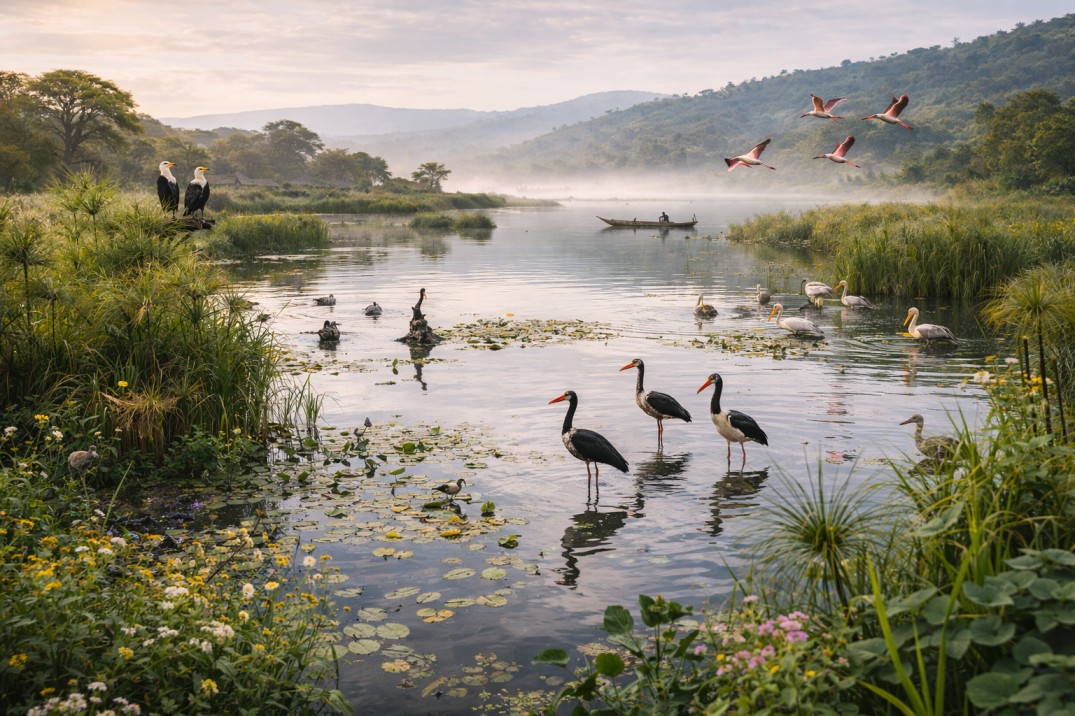
Ethiopia is often celebrated for its Simien Mountains, Bale National Park, and the Blue Nile, but beyond these famous landmarks lies a wealth of lesser-known ecosystems. From tranquil wetlands and remote lakes to rivers, marshes, and highland ponds, Ethiopia’s diverse ecosystems support rich biodiversity and offer unique experiences for travelers.
In this blog, we will explore Ethiopia’s hidden natural treasures, their ecological importance, and how visitors can responsibly explore these areas.
Why Lesser-Known Ecosystems Matter
• Biodiversity hotspots: Wetlands, lakes, and marshes host unique species of birds, fish, amphibians, and plants.
• Environmental protection: These areas regulate water cycles, reduce flooding, and maintain soil fertility.
• Cultural and economic value: Local communities rely on these ecosystems for fishing, farming, and traditional practices.
• Tourist potential: Untouched landscapes provide serene experiences away from crowded tourist destinations.
Exploring these ecosystems gives travelers a deeper appreciation of Ethiopia’s natural heritage.
Hidden Lakes and Wetlands to Explore
1. Lake Langano
• Located in the Rift Valley, less touristy than Lake Ziway or Lake Awasa.
• Offers swimming, birdwatching, and scenic boat rides.
• Surrounding communities practice small-scale fishing and agriculture, giving visitors a glimpse into rural life.
2. Lake Abaya and Lake Chamo
• Southern Ethiopia’s Rift Valley lakes are home to hippos, crocodiles, and migratory birds.
• Remote villages along the shores rely on fishing and agriculture.
• Travelers can take guided boat tours or village visits to explore these ecosystems responsibly.
3. Koka Reservoir and Small Highland Ponds
• Highland ponds and man-made reservoirs provide breeding grounds for amphibians and fish.
• Peaceful settings ideal for photography, nature walks, and birdwatching.
• Often overlooked by mainstream tourism, offering a quiet escape.
4. Marshes and Swamps in the Rift Valley
• Wetlands such as Lake Hawassa marshlands are home to rare plant species and waterfowl.
• Seasonal flooding creates unique habitats for wildlife.
• Local communities collect reeds for crafts, showcasing nature-based livelihoods.
Wildlife in Lesser-Known Ecosystems
Ethiopia’s hidden ecosystems support a wide range of species:
• Birds: Pelicans, herons, flamingos, and endemic species like the Blue-winged Goose.
• Fish: Local fish species form an essential food source for rural communities.
• Mammals: Hippos, otters, and small carnivores inhabit rivers and wetlands.
• Plants: Rare aquatic plants, reeds, and papyrus are vital for ecological balance.
These ecosystems are crucial for conservation, maintaining biodiversity and supporting human livelihoods.
How Local Communities Interact With These Ecosystems
• Fishing: Small-scale, sustainable fishing provides food and income.
• Agriculture: Wetlands supply water for irrigation and fertile soil for crops.
• Crafts: Reeds and grasses from wetlands are used in basketry and mat weaving.
• Cultural practices: Many lakes and marshes have spiritual or historical significance, featuring in local folklore.
Visitors can learn how communities balance survival with conservation.
Responsible Exploration Tips
1. Hire local guides: Ensure safe and informed exploration.
2. Avoid disturbing wildlife: Observe from a distance and respect habitats.
3. Do not litter: Carry out all waste and leave the environment pristine.
4. Respect cultural sites: Many lakes and wetlands are sacred or culturally important.
5. Support local communities: Buy handicrafts, hire local boats, or eat at village eateries.
By following these tips, travelers protect ecosystems and benefit local communities.
Best Activities for Nature Enthusiasts
• Birdwatching: Many wetlands host migratory and endemic species.
• Boating: Small lakes provide serene boat rides and fishing experiences.
• Photography: Capture landscapes, wildlife, and daily life along lake shores.
• Hiking: Explore trails around wetlands and highland ponds for panoramic views.
• Village visits: Learn traditional fishing, reed collection, and ecological knowledge from locals.
These activities provide immersive, low-impact experiences for eco-conscious travelers.
Challenges Facing Lesser-Known Ecosystems
• Climate change: Rising temperatures and irregular rainfall affect water levels and species.
• Pollution: Agricultural runoff, waste, and plastic threaten delicate habitats.
• Overfishing and resource exploitation: Unsustainable practices can reduce biodiversity.
• Tourism pressure: Unregulated visits may disturb wildlife and local communities.
Responsible tourism and conservation initiatives are key to protecting these ecosystems for future generations.
Opportunities for Eco-Tourism
• Guided eco-tours: Birdwatching, photography, and wetland exploration.
• Community-led tourism: Villagers offering lodging, food, and educational experiences.
• Research and education: Study biodiversity, wetlands, and climate impacts with local experts.
• Conservation volunteering: Visitors can contribute to habitat restoration and wildlife monitoring.
Eco-tourism can create sustainable income while preserving natural habitats.
Discover Ethiopia’s Hidden Natural Gems
Ethiopia’s wetlands, lakes, and lesser-known ecosystems are treasures waiting to be explored. From serene highland ponds and remote Rift Valley lakes to marshes supporting unique wildlife, these areas offer tranquility, biodiversity, and cultural connection.
Visiting these ecosystems responsibly allows travelers to experience Ethiopia beyond the usual tourist spots, support local communities, and contribute to conservation efforts.
Exploring Ethiopia’s hidden natural landscapes is a journey of discovery, where every lake, marsh, and wetland tells a story of life, culture, and ecological richness.